

In an era where personal safety is a paramount concern, gadgets have emerged as essential tools for enhancing individual security. From smart alarms to wearable devices, technology offers innovative solutions that empower people to feel safer in their daily lives. The integration of these gadgets not only simplifies safety but also provides peace of mind that was once challenging to achieve.
Many individuals now rely on a variety of devices designed to alert and protect them in emergencies. Personal safety apps can track locations, while smart home devices offer remote monitoring capabilities. These innovations create a comprehensive approach to personal safety, making proactive measures easier than ever.
As society continues to embrace advancements in technology, the role of gadgets in personal safety will only expand. Understanding how each device contributes to safety allows individuals to make informed choices about their protection. Whether through connectivity, monitoring, or immediate alerts, gadgets play a crucial role in creating a safer environment for everyone.
Core Principles of Gadgets in Personal Safety
Gadgets play a crucial role in enhancing personal safety through advanced technology and efficient communication systems. These devices are designed to empower individuals by improving their security and readiness in emergency situations.
Evolution of Personal Safety Technology
The evolution of personal safety technology has been marked by innovative devices that cater to user needs. Early personal safety gadgets included simple alarms and whistles. Modern innovations have led to the development of wearable security devices and smartphone applications that offer real-time alerts.
Smart devices now utilize GPS and geolocation services, allowing users to share their location with trusted contacts. This ensures that help can be summoned quickly. Additionally, advancements in sensors and data analytics have enabled more responsive and personalized safety solutions.
How Modern Devices Safeguard Users
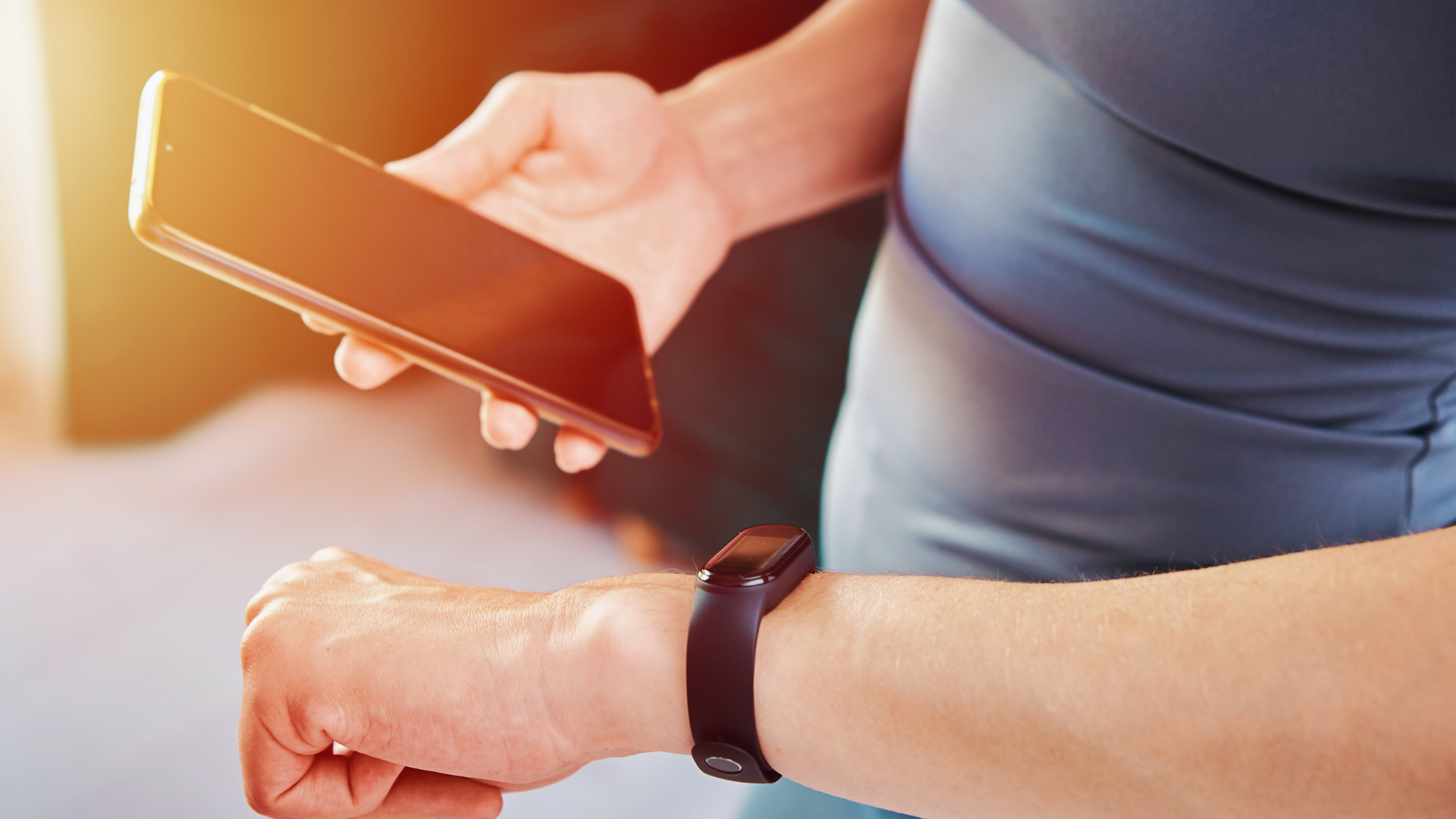
Modern devices enhance user safety through features such as panic buttons, mobile alerts, and automatic location sharing. Wearable devices, like smartwatches or fitness trackers, often include emergency functionalities. Users can activate alerts with a simple button press or gesture.
Many smartphones come equipped with built-in emergency services that provide instant connections to local authorities. Some applications can detect distress signals, allowing for automatic alerting of emergency contacts. This technology fosters peace of mind, knowing assistance is readily available.
Rapid Emergency Communication
Effective communication during emergencies is vital for personal safety. Many gadgets prioritize rapid communication, ensuring that users can alert emergency services without delay. Tools such as two-way radios and satellite phones have proven essential in areas with poor cellular coverage.
Apps designed for emergencies often include a direct link to law enforcement and medical assistance. Some devices can send location data alongside distress signals, facilitating quicker response times. These developments contribute significantly to emergency preparedness, enhancing the overall safety landscape.
Mobile Technology and Personal Safety
Mobile technology plays a crucial role in enhancing personal safety, particularly through the use of smartphones and various applications designed for emergency situations. These devices and apps enable individuals to respond effectively to threats and maintain clear communication with emergency responders.
Role of Smartphones in Emergency Situations
Smartphones serve as vital tools in emergency situations. They provide immediate access to communication networks, which can be critical when every second counts. Users can quickly call for help or text emergency contacts with their precise location.
In addition to basic communication, smartphones often come equipped with features such as emergency alerts. Many devices allow users to activate features that send emergency messages or alerts to selected contacts with a single button press. This accelerates the response time from emergency responders and designated contacts.
Key Features: Emergency Apps and Speed Dial
Emergency apps significantly enhance safety by providing specialized functions tailored to crisis situations. Apps like Life360 and bSafe offer real-time location sharing, allowing trusted individuals to monitor a person’s whereabouts during emergencies.
In addition, speed dial features enable users to program important numbers into their smartphones. A simple press can connect them with emergency responders, family members, or friends. This minimizes the chance of forgetting numbers in high-stress scenarios and speeds up communication.
Location and GPS Tracking for Rapid Response
GPS tracking plays a fundamental role in ensuring safety. Through location tracking, individuals can share their real-time location with trusted contacts or emergency services. This is especially helpful during situations where rapid location identification can aid quick response times.
Many emergency alert systems integrate GPS capabilities to guide responders directly to an individual’s location. This level of precision can be life-saving, allowing help to arrive without delay. With the wide adoption of mobile technology, location sharing has become an essential tool for enhancing personal safety.
Smart Gadgets and IoT for Enhanced Security
Smart gadgets and IoT technology play a crucial role in enhancing personal safety by providing real-time monitoring, automated control, and convenient access to information. These innovations empower individuals to take proactive measures against potential threats.
Smart Cameras and Automated Locks
Smart cameras have become a standard in home security. Equipped with features like motion sensors and facial recognition, they can monitor surroundings and send alerts to users via personal safety apps. They allow for remote viewing, enabling users to see real-time footage from their devices.
Automated locks integrate with IoT for increased security. Users can control locks remotely through apps or smart home systems such as Alexa or Google Assistant. Some locks even offer keyless entry and customizable access, allowing users to grant temporary access to service personnel or guests.
Wearables: Smartwatches and Fitness Trackers
Wearable tech, including smartwatches and fitness trackers, offers crucial safety features. Many devices support emergency SOS functions, allowing users to send distress signals to pre-selected contacts or emergency services with a simple button press.
These devices monitor vital signs and physical activity, which can prove vital in medical emergencies. They also often include location tracking, potentially enabling faster response times in critical situations, enhancing the overall sense of security for users.
Voice Assistants in Personal Safety
Voice assistants such as Alexa and Google Assistant contribute significantly to personal safety. Users can set up routines that enhance security, like turning on outdoor lights at sunset or locking doors at a specified time.
Additionally, these assistants can provide real-time information about nearby safe zones or alert users to emergency services. Voice commands enable users to access security features hands-free, facilitating quick responses in emergencies, further improving overall safety practices.
Emerging Trends and Future Directions in Personal Safety Gadgets
Advancements in technology are transforming personal safety gadgets. Key areas of focus include the integration of AI and augmented reality, the utilization of drones for emergency situations, and the critical need for cybersecurity.
AI, Predictive Analytics, and Augmented Reality
Artificial Intelligence and predictive analytics are enhancing personal safety gadgets by providing insights into potential threats. These systems can analyze data patterns to anticipate risks in real time. For instance, wearable devices may alert users to unsafe environments based on historical crime data.
Augmented reality (AR) is adding a new dimension to personal safety. AR applications can overlay important information in real-time, such as escape routes or emergency contacts, directly onto a user’s view. This offers immediate guidance during stressful situations, making it easier to react proactively.
Drones and Advanced Emergency Alert Systems
Drones are becoming vital tools in personal safety scenarios, especially in rescue operations. They offer rapid aerial surveillance, allowing responders to assess situations quickly without risking human lives. Equipped with cameras and sensors, drones can identify hazards or victims in difficult-to-reach locations.
Advanced emergency alert systems are also evolving, integrating with smartphones and wearables. These systems inform users of real-time threats or emergencies, often using GPS to tailor alerts based on location. Immediate notifications can lead to quicker responses, significantly improving safety outcomes.
Maintaining Cybersecurity and Privacy
As personal safety gadgets become more data-driven, cybersecurity must remain a priority. Devices that collect personal information, such as location and health data, can be vulnerable to hacking. User education and robust encryption are essential to protect sensitive data.
Privacy considerations are equally important. Users need assurance that their personal information is secure and not misused. Manufacturers must comply with regulations and implement measures that safeguard user privacy, fostering trust in personal safety devices.